
In the realm of venue technology considerations, the landscape is evolving rapidly, prompting a critical evaluation of connectivity frameworks corporate event venue Singapore, digital display integrations, and data security protocols. With the advent of hybrid event models and the increasing reliance on mobile applications for seamless interactions, the need for robust technological infrastructure has never been more pronounced. As venues navigate this intricate web of technological advancements, one question looms large: How can these elements be harmoniously integrated to propel venues into a new era of experiential excellence and operational efficiency?

Reliable Wi-Fi Connectivity
In the realm of modern venue management, ensuring robust and dependable Wi-Fi connectivity is paramount for meeting the diverse digital needs of attendees and optimizing operational efficiency. Reliable Wi-Fi connectivity is no longer just a convenience but a necessity in today’s technology-driven world. Venues that offer seamless connectivity enable attendees to access event apps, engage in social media interactions, participate in live polls, and connect with other attendees, enhancing their overall experience.
To achieve reliable Wi-Fi connectivity, venues must conduct thorough site surveys to assess network coverage, capacity, and potential interference sources. Implementing a robust network infrastructure with sufficient bandwidth to accommodate the expected number of users is crucial. Furthermore, deploying strategically placed access points throughout the venue can help ensure comprehensive coverage and minimize dead zones.
Venues should also consider investing in enterprise-grade networking equipment and engaging experienced IT professionals to configure and monitor the network during events. Proactive network monitoring, troubleshooting, and regular maintenance are essential to identify and address connectivity issues promptly, ensuring a seamless digital experience for attendees.
Digital Signage Solutions
Digital Signage Solutions have become integral in modern venue setups, offering dynamic ways to communicate with guests.
Content Management Systems play a crucial role in ensuring that information displayed is relevant and up-to-date.
Additionally, Interactive Touch Screens enhance engagement levels and provide interactive experiences for visitors.
Content Management Systems
Efficient management of content is a critical component in optimizing the functionality and effectiveness of digital signage solutions within venues. Content Management Systems (CMS) play a pivotal role in ensuring that the right content is displayed at the right time to the right audience.
These systems enable venue operators to schedule, update, and monitor content across multiple screens remotely. By centralizing control, CMS streamlines the content distribution process, allowing for real-time updates and targeted messaging. Moreover, advanced CMS features, such as analytics and reporting tools, provide valuable insights into audience engagement and content performance.
Choosing a CMS that aligns with the venue’s specific needs and integrates seamlessly with existing technology is essential for maximizing the impact of digital signage solutions.
Interactive Touch Screens
Interactive touch screens revolutionize the engagement and interaction potential of digital signage solutions within venues, offering a dynamic and immersive user experience. These cutting-edge screens enable visitors to interact with content in a way that traditional static displays cannot match.
By incorporating touch technology, venues can provide personalized and interactive experiences, allowing users to explore information at their own pace and according to their preferences. The versatility of interactive touch screens allows for a wide range of applications, from wayfinding and event schedules to interactive maps and promotional content.
Additionally, these screens can capture valuable data on user interactions, providing venues with insights into visitor preferences and behaviors that can inform future strategies and enhance the overall guest experience.
Interactive Display Technologies
The integration of cutting-edge display technologies enhances the interactive experience for visitors and patrons at modern venues.
Interactive display technologies such as LED video walls, holographic displays, and augmented reality systems are revolutionizing the way information is presented and consumed.
LED video walls provide vibrant, high-resolution displays that can be customized to fit various spaces within a venue, offering dynamic content delivery.
Holographic displays create an immersive experience by projecting 3D images that seem to float in mid-air, captivating audiences and enhancing engagement.
Augmented reality systems overlay digital information onto the real world, allowing visitors to interact with virtual elements in a physical environment.
These interactive display technologies not only entertain and engage guests but also provide valuable information about the venue, upcoming events, and promotions. By incorporating these technologies, venues can create memorable experiences that set them apart from traditional event spaces.
Event Management Software Integration
Integrating event management software into venue operations streamlines logistical processes and enhances overall efficiency in planning and executing events. By utilizing such software, venues can centralize tasks like event scheduling, attendee registration, staff management, and resource allocation. This integration allows for real-time updates and seamless communication among team members, leading to improved coordination and reduced chances of errors.
Event management software also offers features for budget tracking, vendor management, and attendee engagement, providing a comprehensive platform for overseeing all aspects of event planning. The ability to generate detailed reports and analytics helps venues make data-driven decisions, optimize processes, and enhance the overall event experience for clients and attendees.
Furthermore, integrating event management software can lead to cost savings by streamlining operations, reducing manual work, and minimizing the risk of oversights. Overall, this technological integration empowers venues to deliver successful and memorable events while maximizing operational efficiency.
Mobile App Development
In the realm of venue operations, the development of a mobile app presents an innovative solution to enhance guest experiences and streamline communication channels. Mobile apps tailored for venues can offer a wide range of functionalities, such as providing event schedules, interactive maps, in-app messaging for guests and staff, mobile ticketing, and personalized recommendations. These features not only improve the overall guest experience but also allow venues to gather valuable data on guest preferences and behaviors.
Moreover, mobile apps can facilitate seamless interactions between guests and venue staff, enabling real-time updates and notifications. Push notifications can be used to communicate important announcements, changes in schedules, or emergency information promptly. Additionally, mobile apps can integrate with other venue technologies, such as beacon technology for personalized notifications or mobile payments for enhanced convenience.
Virtual and Hybrid Event Capabilities
As venues adapt to the evolving landscape of events, understanding the nuances of virtual attendee engagement, hybrid event production, and technical support integration becomes paramount.
These capabilities not only enhance the attendee experience but also broaden the reach of events beyond physical limitations.
Virtual Attendee Engagement
Successfully engaging virtual attendees and maximizing hybrid event capabilities require a strategic integration of innovative technologies and interactive features. Virtual attendee engagement can be enhanced through live polling, Q&A sessions, virtual networking rooms, and gamification elements. These interactive features help keep virtual attendees actively participating and connected to the event.
Additionally, leveraging augmented reality (AR) and virtual reality (VR) experiences can create immersive environments for virtual participants, enhancing their overall event experience. Integrating chatbots for real-time assistance, personalized agendas, and virtual event guides also contributes to a seamless virtual attendee experience.
Hybrid Event Production
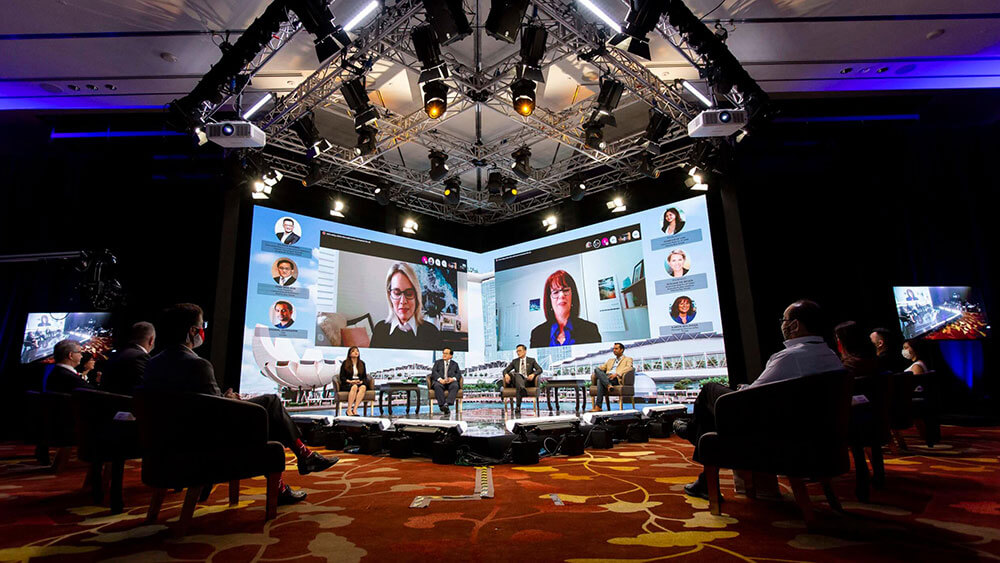
Considering the evolving landscape of events, the integration of virtual and hybrid event capabilities is a pivotal aspect of modern hybrid event production. Hybrid events combine in-person elements with virtual components, offering a dynamic and inclusive experience for both physical and remote attendees.
To successfully execute hybrid events, venues need to invest in robust technology infrastructure that supports seamless live streaming, virtual networking, interactive Q&A sessions, and audience engagement tools. High-quality audiovisual equipment, reliable internet connectivity, and professional camera setups are essential for delivering a polished virtual experience.
Additionally, platforms that facilitate attendee registration, content distribution, and post-event analytics play a crucial role in maximizing the impact of hybrid events. Embracing hybrid event production empowers venues to reach a broader audience and adapt to the changing landscape of event experiences.
Technical Support Integration
The integration of technical support for virtual and hybrid event capabilities is a strategic imperative for venues aiming to optimize audience engagement and deliver seamless event experiences in today’s dynamic event landscape.
To ensure successful virtual and hybrid events, venues must prioritize technical support that encompasses pre-event setup, real-time troubleshooting during the event, and post-event evaluation. This includes providing robust IT infrastructure, reliable internet connectivity, technical staff on standby for immediate assistance, and user-friendly platforms for attendees and presenters.
Venues should also consider offering training sessions for event organizers to familiarize them with the technology and troubleshoot common issues independently.
Data Security and Privacy Measures
Implementing robust data security and privacy measures is paramount for venues in today’s technologically interconnected landscape. With the increasing digitization of operations and the collection of vast amounts of personal and sensitive information, venues must prioritize protecting data from unauthorized access, breaches, and misuse.
To enhance data security, venues can implement encryption protocols to safeguard information both in transit and at rest. Access controls, such as multi-factor authentication and role-based permissions, help ensure that only authorized personnel can access sensitive data. Regular security audits and penetration testing can identify vulnerabilities and weaknesses in existing systems, allowing for timely mitigation measures.
In addition to data security, venues must also address privacy concerns. Compliance with regulations such as the General Data Protection Regulation (GDPR) and the California Consumer Privacy Act (CCPA) is crucial to maintaining trust with customers and stakeholders. Transparent privacy policies, data anonymization practices, and user consent mechanisms are essential components of a comprehensive privacy framework for venues in the digital age.
Conclusion
In conclusion, prioritizing technology considerations such as:
- Reliable Wi-Fi connectivity
- Digital signage solutions
- Interactive display technologies
- Event management software integration
- Mobile app development
- Virtual and hybrid event capabilities
- Data security measures
is essential for venues to enhance guest experiences, streamline operations, and ensure data security. By investing in these key areas, venues can set themselves apart, gain valuable insights, and create memorable experiences for attendees.